Source Single Stage Electric Submersible Pump for Sewage, Irrigation, and Deep Well
Explore 30 listings for the single stage electric submersible pump suitable for sewage treatment, irrigation systems, and deep well water delivery. Buyers can compare specifications like flow rate, head, and material to find the right fit for their industrial needs.
Key considerations
Products List




Comprehensive Sourcing Guide
Single Stage Electric Submersible Pump Sourcing Guide
Procuring single stage electric submersible pumps requires a clear understanding of the specific hydraulic and electrical parameters that define performance in submerged environments. Buyers must distinguish between general centrifugal designs and specialized submersible units, as the latter demand rigorous sealing and motor cooling protocols. The core keyword highlights a category where efficiency and durability are paramount, particularly for applications involving deep well water delivery or irrigation systems. Understanding the fundamental mechanics of single-stage impellers helps in selecting units that balance flow rate with head pressure effectively.
Sourcing decisions should be guided by the intended fluid type and operating depth, as these factors dictate material selection and motor power requirements. While many listings offer customizable options, verifying the exact configuration against your site’s hydraulic profile is essential to avoid performance shortfalls. Buyers should prioritize suppliers who provide detailed technical datasheets that align with observed market signals, ensuring that the selected pump can handle the specific influent types and working pressures required for your project.
Product Scope and Observed Listing Signals
Market listings for these pumps reveal a diverse range of configurations, with observed price points spanning from twenty to five thousand US dollars. This wide variance often reflects differences in motor power, casing material, and the inclusion of specialized features like booster pump assemblies or multistage structures. Buyers should note that while some products are labeled as single-stage, others may feature multistage designs or vertical joint surface configurations, necessitating careful review of the product model and structure attributes to ensure alignment with procurement needs.
Observed minimum order quantities typically range from one to one hundred units, offering flexibility for both pilot projects and large-scale deployments. The availability of customization options, including color choices and OEM acceptance, suggests that suppliers are willing to tailor products to specific branding or operational requirements. However, buyers must verify that these customizations do not compromise the core functionality, such as the electric start-up mechanism or the centrifugal theory of operation, which are critical for reliable performance in submerged conditions.
Technical Specifications to Verify
When evaluating technical specifications, the motor driving type and voltage compatibility are primary considerations for ensuring seamless integration into existing electrical infrastructure. Listings indicate voltages ranging from 110V to 240V, which requires verification against local power standards to prevent operational failures. Additionally, the max head and capacity metrics, such as heads between thirty and fifty meters or capacities exceeding four hundred liters per minute, must be matched to the specific hydraulic demands of the installation site to ensure optimal efficiency.
The impeller design and casing structure also play crucial roles in pump performance, with open impellers and single-suction configurations being common in slurry or sewage applications. Buyers should verify the max grain size tolerance and outlet size, which can range from eighty to four hundred millimeters, to ensure compatibility with piping systems. Furthermore, the working pressure classification, whether low or high pressure, must align with the system’s operational limits to prevent premature wear or catastrophic failure under stress.
Compliance and Safety Documentation
Compliance with international standards is a critical factor in mitigating risk and ensuring long-term operational safety. Many suppliers offer certifications such as CE, ISO, SGS, and TUV, which provide assurance that the manufacturing processes and product designs meet recognized quality and safety benchmarks. Buyers should request valid certification documents and verify their authenticity, as these credentials often indicate adherence to specific engineering standards and environmental regulations that are essential for global trade and deployment.
Safety documentation should also include detailed information on electrical insulation, waterproofing ratings, and thermal protection mechanisms, which are vital for submersible applications. The warranty terms, often cited as one year, provide a baseline for supplier accountability, but buyers should clarify the scope of coverage, including whether it encompasses motor failures, seal leaks, or mechanical wear. Understanding these terms helps in assessing the total cost of ownership and the potential for unexpected maintenance expenses during the initial operational phase.
Cost Drivers and Commercial Terms
Several factors influence the final cost of single stage electric submersible pumps, including the material composition, such as stainless steel casings, and the complexity of the assembly. Products with specialized features like booster pump structures or multistage designs typically command higher prices due to increased manufacturing complexity and material costs. Buyers should analyze the price-to-performance ratio, considering that lower initial costs may result in higher energy consumption or shorter service life if the pump is undersized for the application.
Commercial terms, including packaging and shipping arrangements, also impact the overall procurement cost. Suppliers often use wooden boxes or fumigated wooden cases to protect pumps during transit, which adds to the logistical expenses. Buyers should negotiate clear terms regarding delivery times, payment methods, and responsibility for customs clearance, especially when sourcing from international suppliers. Understanding these commercial dynamics helps in budgeting accurately and avoiding hidden costs that can erode the value of the procurement deal.
Supplier Qualification and Quality Control
Supplier qualification involves assessing the manufacturer’s production capabilities, quality control processes, and track record in delivering reliable submersible pumps. Buyers should verify the supplier’s origin, such as Shijiazhuang, China, and evaluate their ability to meet specific standards like Class One or rubber and polyurethane material specifications. Engaging with suppliers who offer OEM services and customization options can provide additional flexibility, but it is essential to ensure that these services do not compromise the integrity of the product’s core components.
Quality control measures should include rigorous testing of electrical components, sealing integrity, and hydraulic performance under simulated operating conditions. Buyers should request test reports or third-party inspection results to validate the supplier’s claims regarding performance and durability. Establishing a clear communication channel for addressing technical queries and resolving post-delivery issues is also crucial, as it ensures that any discrepancies can be promptly identified and rectified, minimizing downtime and operational disruptions.
Long-Term Procurement Checks
Long-term procurement success depends on establishing a robust framework for ongoing supplier evaluation and performance monitoring. Buyers should implement regular audits of supplier quality control processes and review warranty claim histories to identify potential reliability issues. Maintaining a diversified supplier base can mitigate risks associated with supply chain disruptions, while fostering strong relationships with key partners can lead to better pricing and priority support during peak demand periods.
Continuous improvement in procurement strategies should involve staying informed about technological advancements in submersible pump design, such as improvements in motor efficiency or material durability. Buyers should regularly update their technical specifications and compliance requirements to align with evolving industry standards and regulatory changes. By proactively managing these aspects, organizations can ensure that their procurement of single stage electric submersible pumps remains cost-effective, reliable, and aligned with their long-term operational goals.
FAQs
What is the maximum head for this pump?
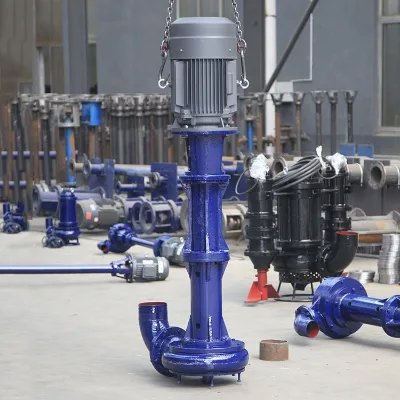
The maximum head is 30-50m. This vertical joint surface pump uses a single-stage centrifugal impeller. It is designed for low-pressure applications with a capacity exceeding 400 L/min. The motor drives the shaft vertically for efficient operation in various industrial settings.
Can the pump be customized for specific needs?
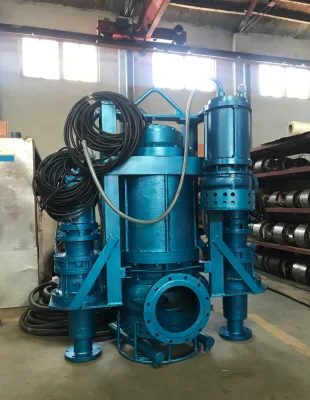
Yes, customization is available for this electric pump. Buyers can request specific colors like blue, yellow, or green. The OEM service is acceptable, allowing tailored solutions. Wooden box packing or fumigated wooden cases are used to ensure safe delivery of the customized units.
What certifications does the pump hold?
The pump holds CE, ISO, and SGS certifications. Additional certificates include TUV, BV, and Class One standards. These credentials verify compliance with international quality and safety norms. The product originates from Shijiazhuang, China, ensuring reliable manufacturing standards for global buyers seeking certified equipment.
What is the flow rate capacity of the pump?
The flow rate ranges from 7 to 3000m3/H. This multistage electric pump features a single suction impeller. It operates on 110V/220V-240V power. The design ensures no leakage, making it suitable for sewage, submersible, and circulating pump applications in diverse industrial environments.
What is the warranty period for this pump?
The warranty period is 1 year. This covers the electric motor and pump structure. The product is available in sizes from 1.5 to 6 inches. Buyers can rely on this warranty for peace of mind when sourcing single stage electric submersible pumps for long-term industrial use.